Dentures Guide: Types, Costs & Modern Alternatives
Compare full, partial, immediate, flexible, and implant-supported dentures. Costs per arch, lifespan, comfort tradeoffs, and daily expectations.
⚠️ For educational purposes only
We are not dentists and do not provide dental or medical advice. This article is for general information only — always consult a licensed dentist for diagnosis, treatment, and personalized recommendations.
Live dentures pricing — what patients actually pay
National median $1,850 · range $600–$4,500 · updated with real patient quotes.
Dentures have come a long way. Today's dentures are more comfortable, more natural-looking, and offer more options than ever — including implant-supported designs that snap firmly in place and feel much closer to natural teeth. Here's a complete breakdown.
Types of Dentures
| Type | When Used | Cost (per arch) | Lifespan |
|---|---|---|---|
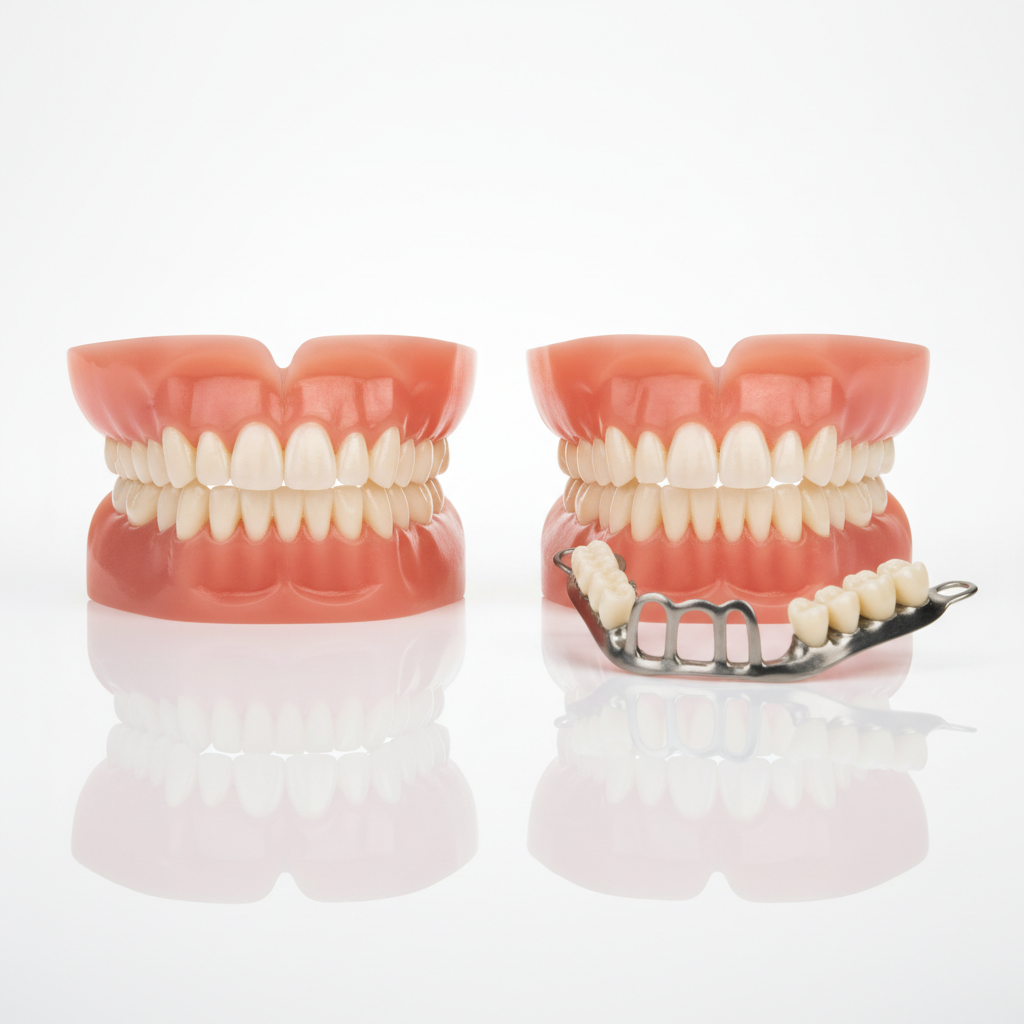
| Conventional full denture | After all teeth removed and gums healed | $1,000–$3,500 | 5–10 years |
| Immediate full denture | Placed same day teeth are removed | $1,500–$4,000 | 5–10 years (relines needed) |
| Partial denture (acrylic) | Some natural teeth remain | $700–$1,800 | 5–10 years |
| Partial denture (cast metal) | Some natural teeth remain — sturdier | $900–$2,500 | 8–15 years |
| Flexible partial (Valplast) | Discreet, no metal clasps | $700–$2,000 | 5–8 years |
| Implant-retained (snap-in) | Better stability, 2–4 implants | $5,000–$15,000 | 15–20+ years |
| Implant-supported (All-on-4/6) | Fixed, feels closest to natural teeth | $20,000–$40,000 | 20+ years |
The Denture Process
Living with Dentures: What to Expect
New dentures take 2–4 weeks to feel comfortable. Initial issues like sore spots, increased saliva, and difficulty pronouncing certain words are normal and usually resolve quickly. Eating soft foods and practicing reading aloud helps you adapt faster.
Why Implant-Supported Dentures Are Worth Considering
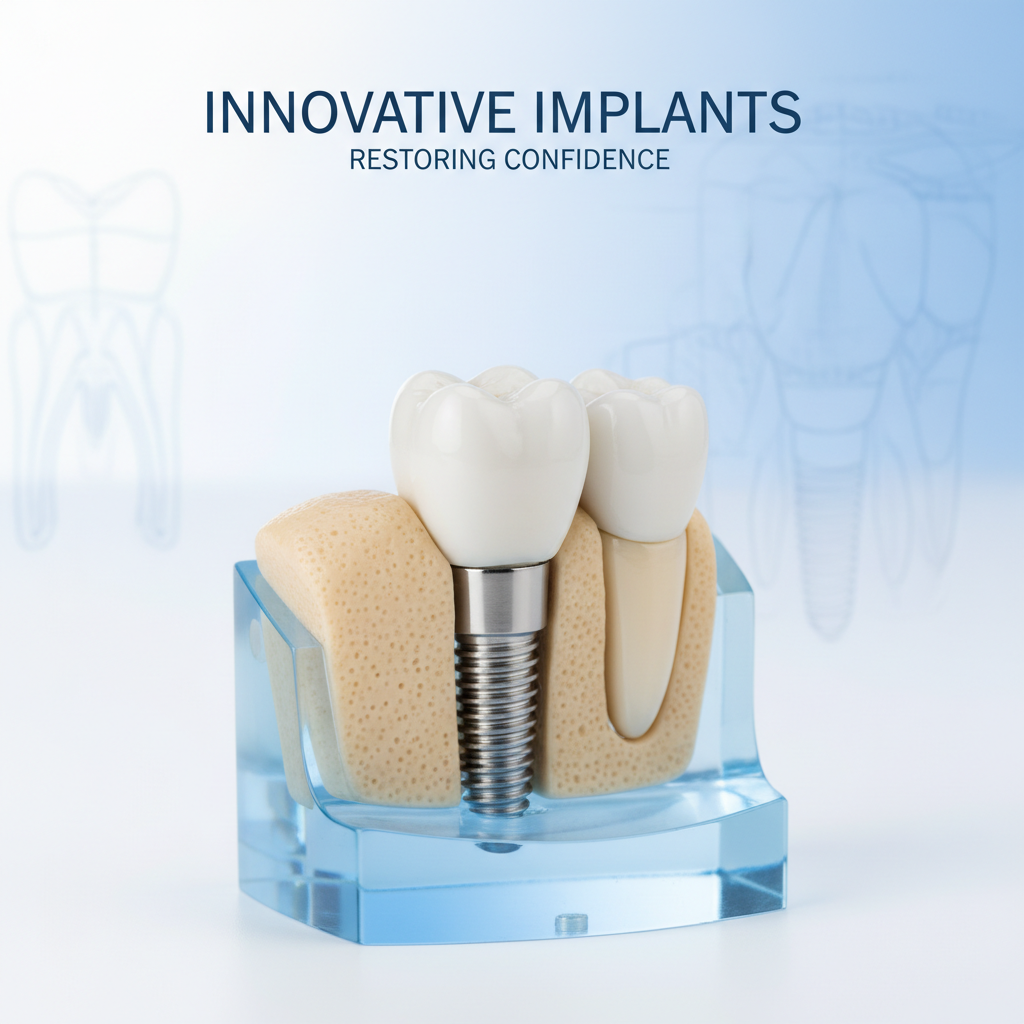
Traditional dentures sit on the gums and rely on suction (uppers) or weight (lowers) to stay in place. Lower dentures often slide around frustratingly. Implant-supported options use 2–6 dental implants to lock the denture in place — eliminating slippage, dramatically improving chewing power, and slowing the bone loss that makes traditional dentures fit worse over time.
- •No more denture slippage or adhesives
- •Eat almost any food again
- •Preserves jawbone (vs. accelerated bone loss with traditional)
- •Lasts 20+ years
- •Speak with confidence
- •Higher upfront cost ($5K–$40K)
- •Requires implant surgery
- •Not everyone has sufficient bone (may need grafting)
- •Longer total treatment time (4–6 months)
Maintenance & Care
Frequently Asked Questions
About the author
Independent dental-content editorial team
Our editorial team researches, drafts, and fact-checks every article against peer-reviewed dental literature and primary government sources (NIH, CDC, NIDCR, ADA). We do not employ practicing dentists, and we never let any office pay to influence editorial content or rankings — see our editorial standards.
Sources & References
This article is based on guidance from accredited dental and health organizations:
- American College of Prosthodontists (ACP) — Dentures Patient Information
- American Dental Association (ADA) — Dentures Oral Health Topic
- MouthHealthy by ADA — Dentures
Last reviewed: May 2026
Medical disclaimer: This content is for educational purposes only and is not a substitute for professional dental advice, diagnosis, or treatment. Always consult a licensed dentist for personalized guidance about your oral health.
Get the top dental deals in your city — every Wednesday
5 verified deals + 1 cost guide. Free. You'll get your first deals instantly.